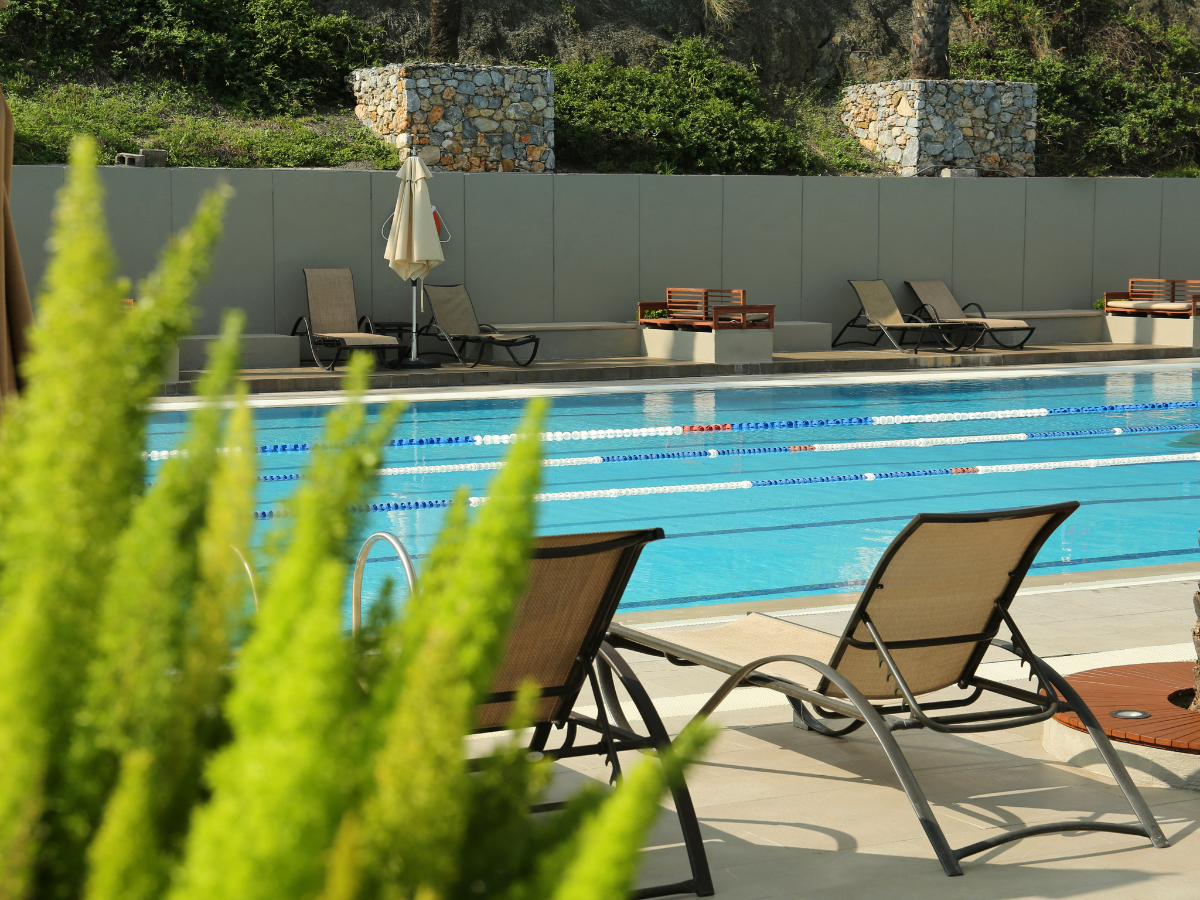
Across New Zealand, pools have evolved from being symbols of luxury to becoming integral lifestyle features. Families, fitness enthusiasts, and entertainers alike now see pools not just as water features but as living extensions of their homes. The market for swimming pools NZ homeowners invest in has diversified significantly, offering fibreglass, concrete, plunge, and spa options tailored to different budgets, sites, and lifestyles. This guide explores design choices, installation processes, and long-term management to help homeowners make informed decisions when planning a pool.
Why Swimming Pools Are Popular in New Zealand
New Zealanders have embraced outdoor living as part of their national identity. The love for sunshine, fresh air, and open spaces makes pools a natural addition to backyards.
- Climate compatibility: While summers are shorter than tropical regions, efficient heating extends pool use for months.
- Lifestyle enhancement: Pools create family-friendly environments, boost health, and offer entertainment value.
- Property value: A well-built pool adds market appeal and can differentiate a property.
- Wellness benefits: Swimming provides low-impact exercise, while hydrotherapy pools promote recovery.

Types of Swimming Pools NZ Homeowners Consider
1. Fibreglass Pools
Prefabricated shells delivered and craned into place.
- Pros: Smooth finish, low maintenance, quick installation.
- Cons: Limited to factory moulds and sizes.
- Best for: Families seeking efficiency and long-term durability.
2. Concrete Pools
Custom-built on-site with steel reinforcement and concrete spray.
- Pros: Unlimited design flexibility, durable, luxury finishes possible.
- Cons: More expensive, longer build times.
- Best for: Bespoke projects and premium homes.
3. Plunge Pools
Compact pools designed for smaller sections and urban areas.
- Pros: Fit tight spaces, often deeper, great for cooling dips.
- Cons: Not suited for long-distance lap swimming.
- Best for: City dwellers or courtyards.
4. Spa Pools
Small heated pools with jets, often separate or adjoining larger pools.
- Pros: Year-round use, hydrotherapy benefits, fast heating.
- Cons: Limited swimming function.
- Best for: Relaxation and therapy.
Pool Type Comparison
| Pool Type | Cost Range | Build Time | Maintenance | Design Flexibility | Durability |
|---|---|---|---|---|---|
| Fibreglass | Moderate | Short | Low | Medium | High |
| Concrete | High | Long | Medium | High | High |
| Plunge | Moderate | Medium | Low | Medium | High |
| Spa | Low–Medium | Short | Low | Low | High |
Key Factors Before Installing Swimming Pools in NZ
- Property Layout
- Check for slopes, access points, and underground services.
- Small sections benefit from plunge pools, while larger areas suit family-size pools.
- Budget Planning
- Beyond installation, account for fencing, landscaping, lighting, and long-term energy use.
- Regulatory Approvals
- Pools deeper than 400mm require fencing compliance under NZ law.
- Council approvals cover excavation, drainage, and environmental impact.
- Climate and Heating
- Heat pumps are the most common choice in New Zealand.
- Solar heating supplements summer use.
- Gas heating works best for spas or quick temperature boosts.
- Lifestyle Goals
- Fitness swimmers may prefer lap pools.
- Families with children often select designs with shallow entries and safety ledges.
- Entertainers might integrate spas, water features, and adjacent kitchens.
Heating and Energy Efficiency for NZ Pools
- Heat Pumps: Provide efficient, reliable heating with low operating costs.
- Solar Heating: Sustainable, but performance depends on weather.
- Gas Heaters: Quick heat-up times, useful for spas or occasional use.
Efficiency Tips:
- Use covers to reduce heat loss.
- Install variable-speed pumps.
- Landscape with shelter to cut wind chill.
Pool Maintenance Routine in New Zealand
Daily:
- Remove floating leaves and debris.
- Check water level and pump operation.
Weekly:
- Test chlorine, pH, and alkalinity.
- Vacuum or brush surfaces.
- Empty skimmer baskets.
Seasonally:
- Inspect heating systems.
- Service filters and pumps.
- Trim trees and hedges near pools.
Pool Design Trends in NZ
- Minimalist Rectangular Pools – Clean lines for modern homes.
- Natural-Inspired Pools – Stone finishes, waterfalls, and planting.
- Compact Urban Plunge Pools – Maximising function in small spaces.
- Integrated Spa + Pool Combos – Flexible all-season use.
- LED Lighting and Automation – Enhancing safety and atmosphere.
Landscaping Ideas for Pools
- Decking: Composite or hardwood for warmth.
- Tiles and Paving: Non-slip porcelain or stone for safety.
- Native Plants: Low-maintenance greenery like flax, grasses, or palms.
- Lighting: Discreet LEDs along paths and water features.
Safety Requirements
- Fencing at least 1.2m high with self-closing gates.
- No climbable objects near fences.
- Compliance checks required by councils.
- Educate children in water safety early.
Benefits of Swimming Pools in New Zealand
- Lifestyle Upgrade – Daily relaxation and entertainment.
- Health & Fitness – Swimming offers cardiovascular and strength benefits.
- Stress Relief – Water is proven to reduce stress and improve sleep.
- Property Enhancement – Pools add uniqueness and market appeal.
- Year-Round Enjoyment – With heating, pools extend into spring and autumn.
Step-by-Step Installation Process
- Consultation and Design: Identify pool type, size, and budget.
- Site Survey: Assess soil, drainage, and access.
- Approvals: Apply for permits and fencing compliance.
- Excavation: Dig and prepare the base.
- Structure Placement: Install fibreglass shell or build concrete framework.
- Plumbing and Hydraulics: Add skimmers, returns, and drains.
- Filtration and Heating: Set up pump, filter, and heating equipment.
- Backfill and Surrounds: Stabilise and prepare edges.
- Landscaping: Add decking, paving, and planting.
- Commissioning: Balance water and hand over instructions.
FAQs
How much do swimming pools cost in NZ?
Costs vary by type—fibreglass being more affordable than concrete, with plunge pools priced in between.
How long does installation take?
Fibreglass pools can be ready in weeks, while concrete pools may take several months.
What is the best heating option for NZ pools?
Heat pumps are the most popular, offering efficiency and reliability.
Can pools be installed in small yards?
Yes, plunge pools and compact fibreglass designs are ideal for tight spaces.
Do pools require professional maintenance?
Many owners manage their pools themselves, but seasonal servicing ensures longevity.
Conclusion
For New Zealand homeowners, a swimming pool is more than just a backyard feature—it is a lifestyle upgrade. From fibreglass and concrete to plunge and spa options, the diversity of swimming pools NZ homeowners can select from ensures that every site and lifestyle has a suitable choice. With efficient heating, proper care, and thoughtful landscaping, pools deliver relaxation, fitness, and entertainment year after year.
For those seeking tailored design solutions and expert guidance, explore trusted specialists in swimming pools nz and take the first step toward creating a backyard retreat that suits your home and lifestyle.