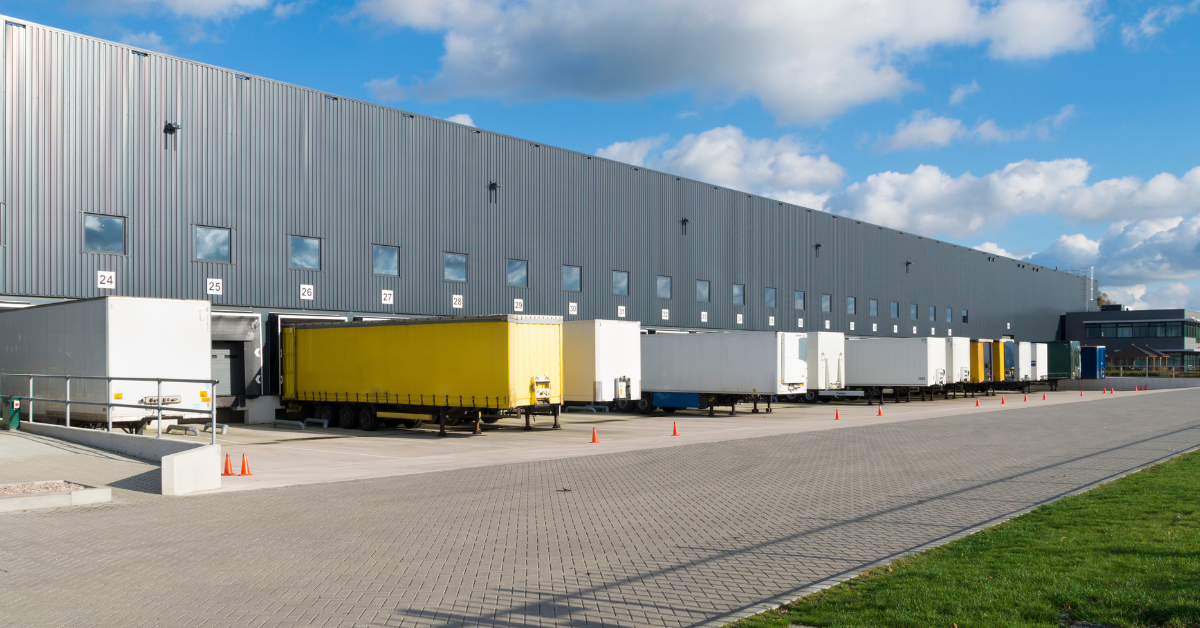
Every business that relies on commercial doors knows the importance of durability, security, and convenience. A well-functioning commercial roll up door opener is at the heart of this reliability. From warehouses on the outskirts of Austin to busy restaurants downtown, roll up doors are used daily to manage traffic, secure property, and streamline operations. Without a dependable opener, even the best door can quickly become a bottleneck in your workflow.
This guide dives deep into the types of commercial roll up door openers, their features, installation, maintenance, and how Austin businesses can choose the right system for long-term success.
Why Roll Up Doors Need Specialized Openers
Unlike residential garage doors, commercial roll up doors are heavy, cycle many times per day, and often cover much larger openings. That means they need specialized operators designed for:
- High duty cycles (frequent daily openings and closings).
- Durability against constant strain.
- Safety compliance to protect employees and customers.
- Integration with access control systems.
- Smooth operation to avoid premature wear on the curtain, tracks, and springs.
A weak or mismatched opener will lead to costly downtime, frequent repairs, and even safety hazards.
Types of Commercial Roll Up Door Openers
When sourcing a commercial roll up door opener, businesses should know the main categories available.

1. Jackshaft Operators
- Mounted beside the door and connected directly to the torsion shaft.
- Ideal for roll up doors with limited headroom.
- Can integrate with chain hoists for manual operation during power outages.
2. Hoist Operators
- Heavy-duty and designed for large or high-cycle doors.
- Feature both motorized and manual chain-hoist operation.
- Often used in warehouses and factories.
3. Trolley Operators
- Commonly used for sectional doors but can be adapted for some roll up applications.
- Mounted on the ceiling with a rail system.
4. Fire Door Operators
- Specifically designed for fire-rated roll up doors.
- Include fail-safe closing features with fusible links or electronic fire alarm connections.
- Automatically reset after fire drills or alarm activation.
Key Features to Look For
When comparing options, Austin businesses should prioritize these commercial roll up door opener features:
- High-Horsepower Motors: Suitable for large or heavy doors.
- Soft Start / Soft Stop: Reduces wear and extends door life.
- Cycle Rating: Match the opener’s duty cycle to your daily usage.
- Emergency Manual Override: Allows operation during power outages.
- UL 325 Compliance: Ensures safety with monitored photo-eyes and reversing edges.
- Access Control Compatibility: Ability to connect with keypads, remotes, or card readers.
- Weather Resistance: Essential for doors exposed to outdoor elements.
Choosing the Right Opener for Your Business
| Business Type | Recommended Opener | Why It Works |
|---|---|---|
| Warehouse / Distribution | Hoist Operator | Handles heavy doors and high traffic |
| Retail Storefront | Jackshaft Operator | Compact, reliable, easy integration with grilles |
| Restaurant Back Entrance | Fire Door Operator | Meets fire safety codes, secure and efficient |
| Auto Shop / Service Bay | Jackshaft or Trolley | Fits varied layouts and integrates with access controls |
| Parking Facility | High-Cycle Operator | Designed for hundreds of openings daily |
Installation Process
Professional installation is key to performance and safety. A typical installation includes:
- Site Evaluation: Measuring the opening, checking electrical availability, and ensuring structural support.
- Mounting the Opener: Installing the motor and connecting it to the door shaft or chain system.
- Electrical Hookup: Connecting the opener to dedicated circuits and control wiring.
- Safety Device Setup: Installing photo-eyes, edge sensors, and emergency stops.
- Programming Controls: Setting open/close limits, cycle speeds, and access control integration.
- Testing and Certification: Ensuring smooth, safe operation before handover.
Working with an Austin-based commercial roll up door opener service ensures compliance with local codes and faster service when needed.
Maintenance and Longevity
Like the doors themselves, openers need routine service to remain safe and reliable.
Regular Maintenance Tasks
- Lubrication: Keep chains, bearings, and gears lubricated.
- Inspection: Check for frayed wires, worn sprockets, or loose mounts.
- Spring Balance Testing: Ensure the door is not overloading the motor.
- Safety System Checks: Test photo-eyes and edge sensors monthly.
- Cleaning: Remove dirt and debris from tracks and guides.
Service Schedule
- Monthly: Basic visual inspection and safety checks.
- Quarterly: Lubrication, adjustments, and control system testing.
- Annually: Comprehensive inspection with part replacements as needed.
A maintenance plan with a trusted commercial garage door repair service keeps doors operational and reduces emergency downtime.
Common Problems and Troubleshooting
| Issue | Likely Cause | Solution |
|---|---|---|
| Door won’t open | Power failure, tripped breaker | Reset breaker, test power supply |
| Opener runs but door doesn’t move | Disengaged chain hoist or broken sprocket | Re-engage manual chain, replace parts |
| Door closes then reopens | Misaligned photo-eyes or faulty edge sensor | Realign sensors, replace defective parts |
| Loud grinding noises | Worn gears or lack of lubrication | Service opener, lubricate components |
| Door drifts down when open | Weak springs overloading opener | Schedule spring adjustment/replacement |
Integration With Access Control
Modern businesses require more than just basic open/close functions. Many commercial roll up door opener systems integrate with:
- Keypads and Card Readers: Control who has access.
- Remote and Wireless Systems: Operate doors from vehicles.
- Smart Building Systems: Tie into security alarms and fire systems.
- Cloud-Based Access Control: Manage multiple doors remotely.
This is especially valuable for logistics companies and retail centers with multiple entry points.
Cost Considerations
The cost of a commercial roll up door opener depends on door size, motor type, and features.
| Opener Type | Approx. Installed Cost |
|---|---|
| Jackshaft Operator | $1,200 – $3,500 |
| Hoist Operator | $2,000 – $5,000 |
| Fire Door Operator | $2,500 – $6,000 |
| High-Cycle Heavy-Duty Operator | $3,000 – $7,500 |
Additional expenses may include access control systems, emergency power backup, and regular servicing.
Why Choose a Local Austin Provider
For businesses in Austin, sourcing openers from a local supplier offers several advantages:
- Fast Emergency Service: Quick response when downtime costs money.
- Local Code Compliance: Installers understand city fire and building codes.
- Parts Availability: Stocked parts for faster repair turnarounds.
- Tailored Solutions: Custom recommendations for Austin’s climate and business needs.
- Long-Term Partnership: Ongoing support, maintenance, and upgrades.
A reliable commercial roll up door opener service provider becomes not just a vendor but a partner in your business operations.
Final Thoughts
A dependable commercial roll up door opener is essential for security, safety, and smooth operations. With so many options available, Austin businesses must consider door type, usage frequency, safety requirements, and long-term maintenance before choosing the right system.
By working with a trusted local partner, companies gain peace of mind knowing their doors are installed correctly, maintained regularly, and ready to perform day after day. Investing in the right opener means investing in the efficiency and safety of your entire operation.